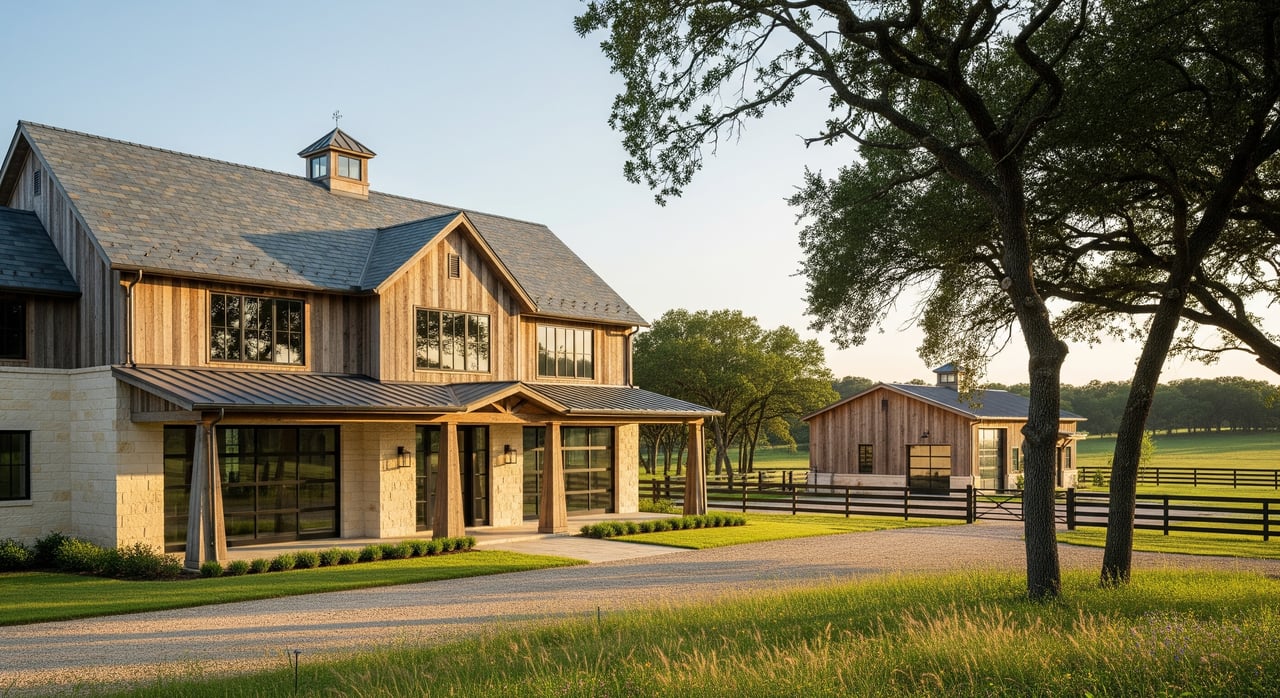
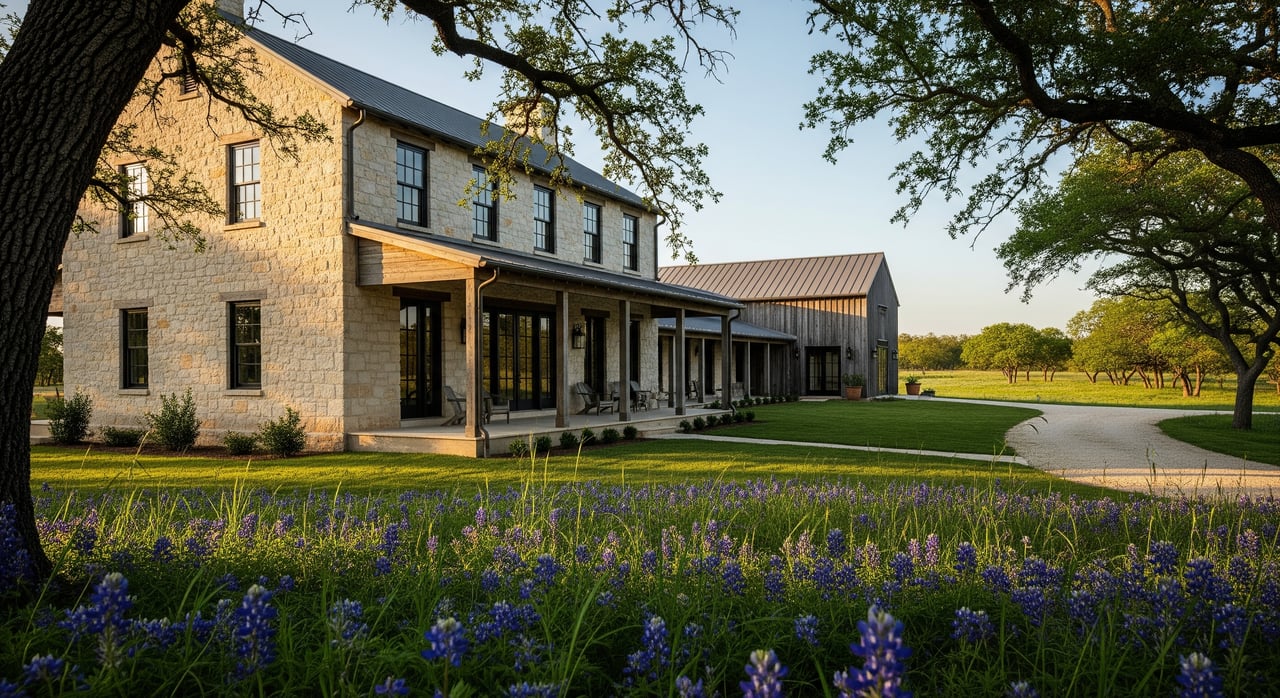
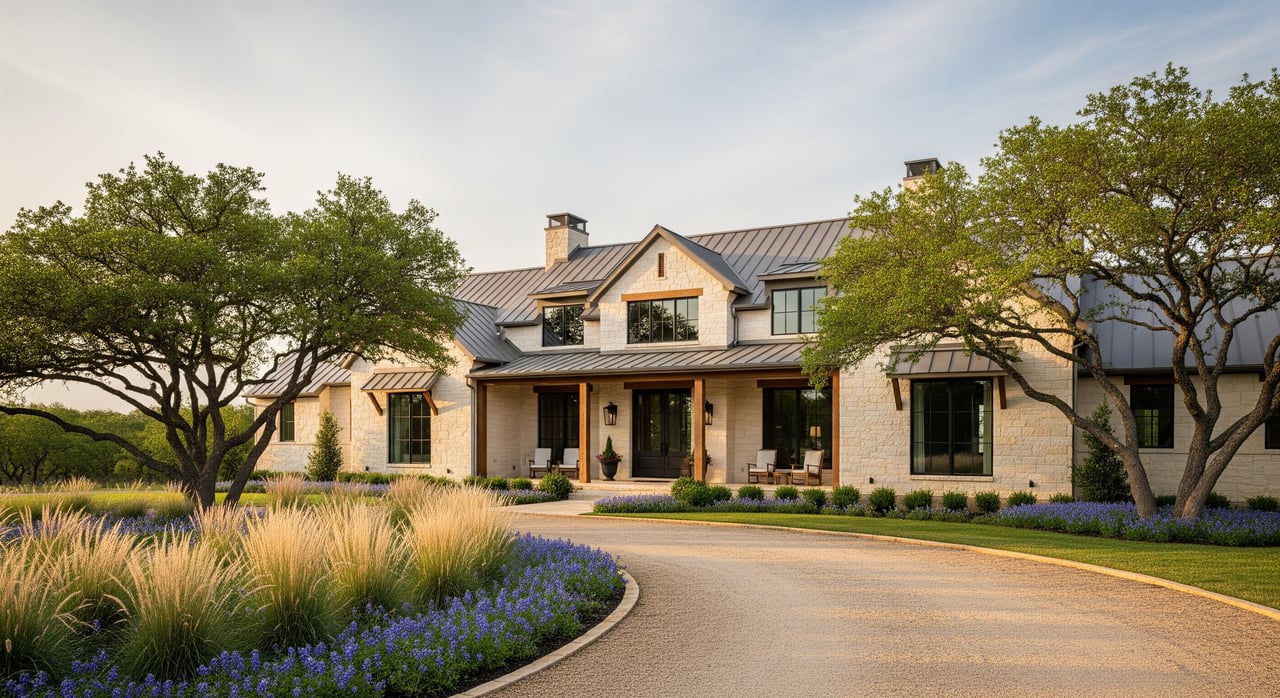
Thinking about a barndominium on acreage near Magnolia and wondering how it will appraise or resell? You’re not alone. Metal and post-frame homes are popular in Montgomery County, but the rules, financing, and valuation details can feel murky. In this guide, you’ll learn how to design and document your build so it meets local requirements, qualifies for common loans and insurance, and holds its value when it’s time to sell. Let’s dive in.
Where you can build near Magnolia
Inside Magnolia city limits
If your land sits inside the City of Magnolia, the City regulates zoning, setbacks, lot coverage, and building permits. You will work with the City’s planning and permitting office for your building permit, inspections, and your final Certificate of Occupancy. City rules also govern utility connections to public water or sewer if available.
If you are in a platted subdivision, recorded covenants and plat notes may add requirements like minimum square footage, exterior materials, or accessory building rules. Make sure your barndominium plans align with both the City code and any subdivision covenants before you break ground.
In unincorporated Montgomery County
Outside city limits, there is no countywide zoning map like a typical city would have. Instead, your path is guided by recorded deed restrictions, subdivision plats (if the lot is platted), and county and state permits for septic, wells, and environmental protections. Utility districts like MUDs or water districts may also set standards and fees.
The key point: even without city zoning, you still need to confirm requirements for septic, wells, electrical and gas work, driveway access, and floodplain development. Deed covenants can be the deciding factor for whether a metal exterior residence is allowed.
Permits and approvals to plan for
- Building permit and inspections: Required inside Magnolia city limits. In unincorporated areas, confirm with county permitting which trades or structural work need permits and inspections.
- Septic (OSSF) permit: Required if you are not on public sewer. A site evaluation is typical before design and final approval.
- Water well permit: Private wells must meet state and county standards and use licensed contractors.
- Electrical and gas permits: Separate permits and licensed pros are usually required for metering and connections.
- Driveway and access: County or TXDOT rules may apply, including culvert specifications and permits for access to public roads.
- Floodplain development: Check FEMA flood maps. If your parcel sits in a Special Flood Hazard Area, you may need elevation certificates and mitigation steps.
- Erosion and tree work: Larger site disturbance or work near creeks may trigger additional requirements.
- Covenant and ARC review: Subdivision covenants often control exterior materials, size, and building type. Obtain a copy of recorded restrictions early and submit plans to any architectural review committee.
Design choices that protect value
Build to residential standards
Appraisers and lenders look for clear residential indicators: a permanent foundation, permanent utilities, and interiors finished to typical home standards. If your building includes a large shop bay, make sure finished living spaces meet residential code and receive final inspections. A documented Certificate of Occupancy helps classification and bank financing.
Foundation, utilities, and permanence
A permanent foundation and utility connections add confidence for lenders and buyers. If portions of the structure appear non-residential, appraisers may classify them as accessory space rather than living area, which can reduce value. Engineering for the foundation, especially for pole or post-frame systems, is helpful for lenders and insurers.
Interior finish level
Appraisers distinguish between a basic metal shell and a fully finished home. Insulation, HVAC, conventional kitchens and baths, and quality flooring and millwork can significantly improve appraisal outcomes. Aim for a finish level comparable to other rural custom homes on acreage in Montgomery County.
Outbuildings and lofts
Finished, climate-controlled lofts may count as living area. Unfinished lofts or shop mezzanines usually do not. Detached barns and sheds can add value, but they are often valued separately from the main residence and may require specific insurance coverage.
Acreage, access, and floodplain
Appraisers separate land value from improvements. Usable acreage, legal access, driveway length, well performance, and septic system design all influence marketability. Floodplain location and recorded easements can also affect value and buyer confidence.
Appraisal and resale realities near Magnolia
Barndominiums are growing in popularity, but comparable sales can still be limited. That can push appraisers to rely more on the cost approach or use wider geographic comps with careful adjustments. You can stack the deck in your favor by planning for documentation and finish standards from day one.
- Provide a full build packet: Plans, permits, inspection sign-offs, builder qualifications, and material specs help the appraiser validate quality and permanence.
- Show residential finishes: Photos and specifications of insulation, HVAC, cabinetry, and fixtures make it easier to support value as true living area.
- Share relevant comps: If you or your agent know of recent barndominium or metal home sales, organize that data for the appraiser.
- Clarify land factors early: A current survey, disclosed easements, and any mineral reservations help avoid value reductions late in the process.
For resale, remember that loan program eligibility matters. If your build meets common FHA, VA, or USDA property standards, you open your future buyer pool, which can improve time on market and negotiation strength.
Insurance tips for metal homes on acreage
Most carriers will insure a metal or post-frame home that meets residential standards, but underwriting varies. Engage insurance agents early and share your plans and specifications.
- Replacement cost coverage: Confirm that your policy covers replacement at today’s prices for metal panels and specialized labor.
- Wind and hail deductibles: Montgomery County sees wind and hail claims. Ask about required mitigation, like roof straps or secondary water barriers, and the deductible structure.
- Corrosion and maintenance: Insurers may ask about roof age, fastening, and corrosion protection. Keep records of materials and installation.
- Outbuildings and farm use: Detached barns, shops, and livestock facilities often need specific endorsements or a farm/ranch policy. Set proper limits for detached structures.
- Flood coverage: Homeowner policies exclude flood. If your property is in a Special Flood Hazard Area or your lender requires it, add an NFIP or private flood policy.
Financing your barndominium
Custom metal builds fit several financing paths. The right fit depends on your lender, builder, budget, and documentation.
- Construction-to-permanent loan: A single-close option that funds construction draws and converts to a mortgage at completion. Lenders underwrite the borrower, builder, plans, and budget.
- Conventional mortgage: Available at completion for homes on permanent foundations built to code. Lenders may follow Fannie Mae or Freddie Mac guidelines for unique property types.
- FHA, VA, and USDA: These programs can finance custom homes with added appraisal and property requirements. USDA can be appealing for rural-eligible locations. Meeting foundation and habitability standards now can expand your future buyer pool.
- Local portfolio lenders: Community banks and credit unions familiar with rural Texas often show more flexibility on unique builds, especially if your builder has a track record.
What lenders want to see: a clear property type (single-family residence), permanent foundation, residential utilities, a licensed builder or approved owner-builder plan, detailed budgets and draw schedules, and an appraisal that supports the finished value. Discuss the appraisal approach early so there are no surprises.
Step-by-step checklist
Before you buy the land
- Verify whether the parcel is inside Magnolia city limits or in unincorporated Montgomery County.
- Get recorded deed restrictions and subdivision plat notes; confirm that metal exteriors are allowed.
- Order a recent boundary survey and identify easements and any mineral reservations.
- Check FEMA flood maps and request existing elevation certificates if available.
- Confirm utility availability and any MUD or water district service areas and fees.
- Contact the local appraisal district to understand current classification and exemptions.
Permitting and site prep
- Call the correct permitting office to confirm building, electrical, plumbing, and septic requirements.
- Schedule a soils report and request an engineered foundation plan if needed.
- Submit plans to any architectural review committee required by covenants.
- Obtain septic permits and plan the site evaluation before finalizing your floor plan.
- Apply for floodplain permits if any part of your site falls in a mapped flood zone.
Design and documentation
- Assemble a complete plan set with structural details, foundation plan, and energy specs if required.
- Hire a licensed contractor; collect licenses, insurance, references, and contracts.
- Build a line-item budget and draw schedule for lender approvals.
- Keep copies of all permits and inspection sign-offs.
Insurance and risk
- Get early quotes using your plans and specifications; compare replacement cost coverage and deductibles.
- Ask about wind and hail discounts for specific roof features or mitigation steps.
- If in a flood zone, obtain quotes for NFIP or private flood insurance and confirm lender requirements.
Appraisal and resale
- Finish interiors to typical residential standards to maximize marketability and comparable sales.
- Gather data on similar local metal homes to share during the appraisal.
- Keep a tidy file with permits, inspections, warranties, and manuals for buyer confidence.
- Disclose mineral reservations, easements, and restrictions clearly.
Title and closing
- Confirm clear title and understand any surface-use limits tied to mineral rights.
- Verify tax status, exemptions, and any agricultural valuation considerations.
- Provide a final survey showing the house location and any setback compliance.
After completion
- Store a photo log and paperwork for future buyers and insurers.
- If you plan to sell later to FHA, VA, or USDA buyers, document how your build meets those standards.
- Add curb-appeal touches like porches, covered entries, and landscaping to broaden appeal.
Ready to find the right acreage?
A barndominium can be a great fit near Magnolia when you plan for permits, insurance, financing, and appraisal from the start. If you want a second set of eyes on covenants, build plans, and resale considerations, connect with Deborah Stepanek at CB&A, Realtors to map the best path forward. Schedule a consultation and move ahead with confidence.
FAQs
What permits do I need to build a barndominium near Magnolia?
- Inside Magnolia city limits you will need a building permit, inspections, and a Certificate of Occupancy; in unincorporated areas, confirm septic, well, electrical, driveway, and any floodplain permits with county offices.
How do appraisers value a metal home on acreage in Montgomery County?
- Appraisers value it as a residence if it has a permanent foundation, permanent utilities, and finished interiors to typical standards, often using sales comparison plus cost approach when comps are scarce.
Will a barndominium qualify for common mortgages?
- Yes, if it is built to residential code on a permanent foundation and the appraisal supports value; construction-to-perm, conventional, and some FHA/VA/USDA options can work with proper documentation.
Can I get homeowners insurance for a post-frame home?
- Many carriers will insure metal or post-frame homes that meet residential criteria, but you should confirm replacement cost coverage, wind/hail deductibles, and endorsements for detached structures.
Do deed restrictions affect barndominium designs near Magnolia?
- Yes, recorded covenants often set exterior materials, minimum size, and accessory structure rules, which can determine whether a metal exterior home is allowed on a given lot.